Namibia rewards travelers who plan the shape of their journey before choosing individual bookings. Distances are large, landscapes change quickly, and the best trip is usually the one with fewer rushed stops. Use this guide to make the big decisions, then open the free Wayfinder Namibia trip planner to compare local accommodation, tours, activities and vehicles.
When is the best time to visit Namibia?
Namibia can be visited throughout the year, but the experience changes with the seasons. The dry months from roughly May to October are popular for cooler mornings, clear skies and wildlife gathering near dependable water sources. This is also a busy period around Etosha and the best-known desert routes, so early accommodation planning is sensible.
The warmer months from November to April can bring intense daytime heat, afternoon storms and greener landscapes in areas that receive rain. Photographers may value the dramatic clouds, and birdlife can be rewarding in the north and northeast. Rain is highly variable, however, so do not build a summer itinerary around a guaranteed weather pattern.
Wildlife focus
Dry-season conditions often make wildlife easier to observe around waterholes. Reserve popular Etosha stays well ahead.
Landscape focus
Cooler months bring crisp skies; summer may add green colour and cloud drama. Sunrise and sunset remain the gentlest light.
Comfort focus
Desert temperatures can swing sharply between day and night. Pack layers and plan strenuous activity for cooler hours.
Entry and visa checks before you fly
Entry requirements depend on your passport, route and purpose of travel, and they can change. Do not rely on an old blog post or a screenshot shared in a group. Check the current Namibia Tourism Board visa information and the official Ministry of Home Affairs e-services portal before paying for non-refundable travel.
Confirm passport validity, blank-page requirements, visa or visa-on-arrival eligibility, documents for children, and any paperwork required for a land-border crossing. Check again shortly before departure because an airline or border official will apply the rules in force at that time.
Carry accessible copies of your return or onward travel, first-night booking, rental paperwork, travel insurance details and the documents required for your specific entry category.
How to get around Namibia
Independent road travel is popular because many lodges, parks and landscapes sit far apart. A rental car gives flexibility, but the route should determine the vehicle—not the other way around. Main town connections may be tarred, while many scenic routes are gravel. Deep sand, remote tracks and some concessions call for different capability and experience.
Ask the rental company whether your exact route is permitted and which equipment is included. Leave room for fuel stops, photo breaks, roadworks and slower gravel-road travel. If you prefer not to drive, compare guided tours, private transfers and fly-in options for the regions you want to see.
- Choose overnight stops before estimating daily driving distance.
- Plan to arrive during daylight and confirm gate or reception times directly.
- Keep fuel, water and offline navigation in mind between towns.
- Read the full Namibia self-drive guide before reserving a vehicle.
Where to go on a first Namibia trip
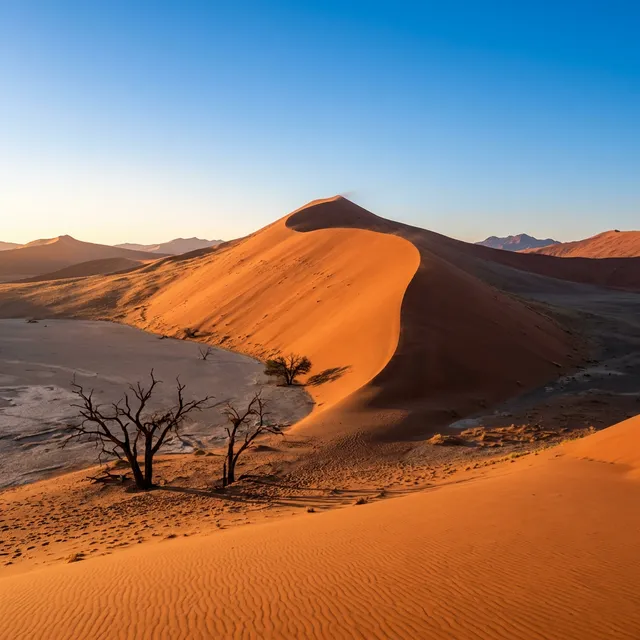
A classic first journey combines a small number of contrasting regions. Sossusvlei and the Namib Desert deliver sculpted dunes and wide-open scenery. Swakopmund adds a cooler coastal break and easy access to guided desert and marine activities. Damaraland rewards slower travel with rock landscapes, cultural sites and wildlife adapted to arid conditions. Etosha National Park anchors many northern routes with waterhole-based wildlife viewing.
Fish River Canyon, Lüderitz, the Zambezi Region and the far northwest are excellent additions, but they pull a route in very different directions. Add them when you have enough days to avoid turning the holiday into a sequence of long transfers. See the 7, 10 and 14-day Namibia itineraries for practical route shapes.
Desert
Base yourself near Sesriem for Sossusvlei and Deadvlei, and verify current access procedures with your accommodation or operator.
Coast
Use Swakopmund or Walvis Bay for marine trips, dune activities and a useful rest between desert driving days.
Wildlife
Give Etosha more than a single rushed night so you can explore different waterholes at cooler times of day.
Money, mobile coverage and practical details
The Namibian dollar is the local currency, and South African rand notes are commonly accepted at the same value in Namibia. Cards work in many towns, lodges and established businesses, but cash remains useful for smaller stops and situations where a connection is unavailable. Ask your bank about overseas use and carry more than one payment method in separate places.
Mobile coverage is strongest in towns and along busier routes, with gaps in remote regions. Download maps, booking details and emergency contacts before leaving coverage. Confirm connectivity with your accommodation if you need to work or check in with family. English is the official language, and you will also hear Afrikaans, German and many Namibian languages.
Health and safety planning
Travel health advice depends on your medical history, season, destinations and any countries crossed in transit. Discuss your itinerary with a qualified travel-health professional in good time. Northern and northeastern areas may have different malaria considerations from central and southern routes, so use current professional guidance rather than a single country-wide assumption.
For road travel, daylight arrival, conservative speeds, seat belts, rest breaks and adequate drinking water matter more than an ambitious schedule. Avoid approaching wildlife, follow park and guide instructions, and keep valuables out of sight in towns. Review the Namibia Tourism Board’s current traveler FAQ and the Roads Authority for official updates.
Your Namibia trip-planning checklist
- Choose the season and a realistic number of regions.
- Verify current passport, visa and child-travel requirements.
- Sketch the route and check transfer days before booking accommodation.
- Select a vehicle or guided option that fits the confirmed route.
- Reserve limited-capacity stays and key activities early.
- Arrange appropriate travel insurance and professional health advice.
- Save offline maps, contacts, confirmations and backup payment options.
- Recheck road, weather, park and entry information shortly before departure.
When the outline is ready, browse local accommodation, tours, activities and car rentals in one place.
Official sources to check
Use these sources for the latest official position. Wayfinder helps organize your trip, but government and tourism authorities remain the source for current requirements and notices.
Namibia travel planning FAQ
When is the best time to visit Namibia?
Namibia is a year-round destination. May to October is the dry season and is popular for cooler conditions and wildlife viewing, while the warmer summer months can bring dramatic skies, greener landscapes and seasonal rain. Match the season to your route and interests.
How many days do you need for a Namibia trip?
Seven days can cover a focused desert-and-coast route, ten days can add Damaraland and Etosha, and fourteen days allows a more relaxed classic loop. Longer trips reduce rushed driving days.
Is Namibia suitable for a self-drive holiday?
Self-drive travel is popular, but distances are long and many routes use gravel roads. Choose a vehicle for the planned route, follow the rental company’s guidance and leave generous time between stops.
Do I need a visa to travel to Namibia?
Visa and entry rules depend on nationality and can change. Check the latest Namibia Tourism Board guidance and Ministry of Home Affairs e-services before booking and again before departure.
Turn the research into a real route
Tell Wayfinder your dates, pace, interests and budget. Build a free Namibia itinerary using places you can actually explore and book.
Start planning free